





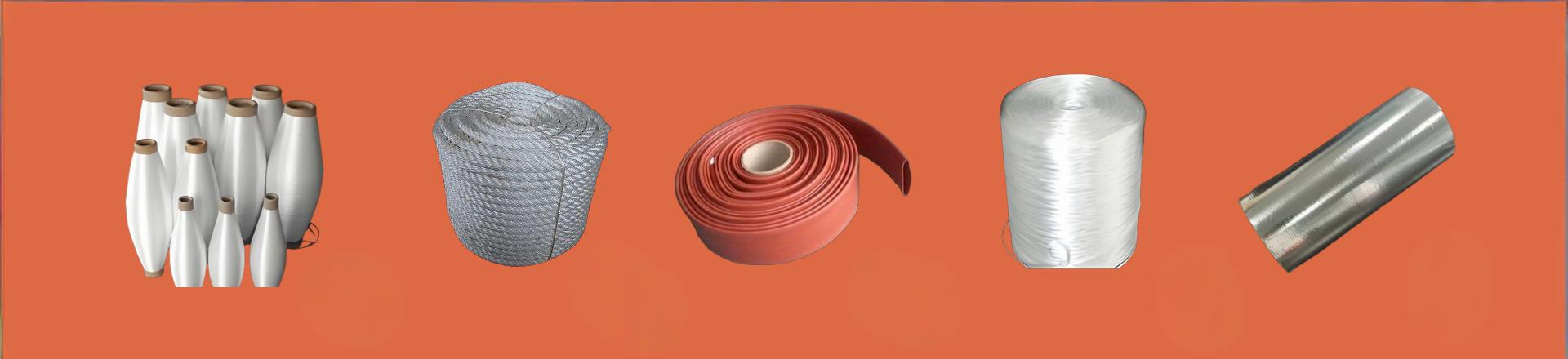
Silicone coating gives fiberglass fabric a more protective and workable surface. Depending on the construction, it can reduce fiber shedding, improve resistance to abrasion and moisture, and make the fabric easier to handle. The fiberglass supplies much of the fabric’s tensile strength and heat resistance; the silicone changes how its surface behaves in service.
That distinction matters when an insulation blanket is repeatedly removed, or when a protective cover is exposed to rain and oily residue. Bare fiberglass may have the required temperature capability but lack the surface protection the job demands. A coating can address some of those issues, although it does not make the assembly waterproof at every seam, resistant to every chemical, or suitable for the fiberglass substrate’s maximum temperature.
Two materials, different jobs
Fiberglass fabric is made by weaving glass fiber yarns into a flexible textile. The weave, yarns, weight and finish affect its strength, thickness and handling. An uncoated fabric can tolerate elevated temperatures, but its open weave and exposed fibers may allow dust, moisture or liquids to pass through. Friction can also disturb surface fibers during cutting, sewing or repeated movement.
Silicone is applied to one or both sides of the fabric and cured to form a flexible layer. The coating can cover or partially fill openings in the weave, depending on the formulation and the amount applied. Some products feel smooth and pliable; others are heavier or stiffer because of their construction. A coated fabric is therefore a composite, and its useful properties depend on both components rather than the coating name alone.
The surface layer does not turn fiberglass cloth into an insulating blanket by itself. Fabric is often used as the outer skin of a removable blanket, while a separate insulation layer provides most of the resistance to heat flow. Keeping those roles separate helps when comparing materials: a durable outer cover and an effective insulating core solve different problems.
What changes when the fabric is coated?
Handling and surface durability
A silicone layer binds some surface fibers and can reduce the loose fibers released during handling. It also creates a surface that is generally easier to wipe than an exposed woven substrate. This can be useful around equipment where a removable cover needs occasional cleaning or where loose fibers are undesirable.
The coating can improve resistance to ordinary rubbing, especially when a blanket moves against nearby surfaces or is handled for maintenance. It is not armor, however. Sharp edges, concentrated pressure and repeated flexing at the same fold can still cut or wear through it. Once the coating is damaged, the fiberglass beneath may become exposed and the local moisture barrier can be compromised.
Flexibility is also relative. Silicone itself is flexible, but adding a layer increases material thickness and can change drape. A heavily coated fabric may be harder to wrap around a small pipe or fold into a tight corner than a lighter fabric. Ask for a sample when the finished cover must follow an irregular shape; a specification sheet alone may not show how the material behaves during fabrication.
Moisture and liquid exposure
The coating can make the fabric surface water-repellent and limit liquid penetration through the coated area. This is valuable for covers exposed to splashes, damp environments or weather. The level of protection depends on coating continuity, fabric construction and whether the material is coated on one or both sides.
A coated panel is not the same as a sealed enclosure. Stitch holes, cut edges, fasteners, overlaps and damaged sections can all create paths for water. On an outdoor insulation jacket, for example, the orientation of overlaps and the way seams are closed may matter as much as the fabric itself. Water can also enter from an open end or form as condensation inside a cover even when rain does not pass through the coated face.
Silicone may resist contact with some oils, mild chemicals and cleaning agents, but compatibility is specific to the substance and exposure. Concentration, temperature, contact time and mechanical stress can all change the outcome. Identify the actual liquid and whether exposure is an occasional splash or continuous immersion before treating a coated fabric as a chemical barrier.
Airflow and surface contamination
By covering openings in the weave, a coating can reduce air movement through the fabric compared with an otherwise similar uncoated cloth. That can help limit dust passage or unwanted airflow in an enclosure. It does not establish a particular air-leakage rating: pinholes, seams and the way the fabric is attached remain important.
A smoother surface may also make deposits easier to remove, but cleaning methods need scrutiny. A solvent that removes an oily deposit could affect a particular silicone formulation, while aggressive scraping may damage the coating. The appropriate cleaning agent and method should be checked against the material information and the intended service conditions.
The temperature limit belongs to the whole fabric
One of the easiest mistakes is to select coated fiberglass using only the temperature rating of the glass fiber. The substrate and silicone layer can have different limits. At temperatures beyond the coating’s capability, the silicone may harden, discolor, crack or degrade even if the fiberglass remains intact. The resulting fabric may no longer provide the same flexibility, liquid resistance or surface protection.
Conversely, a fabric may be used as an outer jacket around a hotter component when the insulation underneath keeps the jacket surface within its permitted range. The relevant temperature is the temperature the coated layer actually experiences, not automatically the temperature of the pipe, vessel or exhaust stream inside the assembly.
When evaluating a temperature claim, establish what it describes:
- Continuous or short-term exposure: A brief peak is not equivalent to sustained operation. Check the duration and conditions associated with each rating.
- Coating or substrate: A fiberglass limit should not be presented as the operating limit of the silicone coating.
- Surface location: Identify which face is exposed to heat and whether nearby hot spots, seams or metal fittings create localized temperatures.
- Performance after heating: Ask whether the stated limit concerns material survival, retention of flexibility, appearance or another property relevant to the application.
Heat exposure can also change with operating conditions. A blanket that performs acceptably under normal airflow may see a higher outer-surface temperature when an adjacent component is enclosed or insulation becomes compressed. Where failure would create a safety hazard, evaluate the complete assembly under representative conditions rather than relying on a fabric label alone.
Fire exposure is not the same as heat resistance
Fiberglass itself is inorganic and noncombustible, while the silicone layer is an organic material whose behavior depends on its formulation. A coated fabric may be intended for a fire curtain or a welding-related protective application, but the word “silicone” does not establish a fire rating or guarantee protection against flame, molten metal or prolonged radiant heat.
For a curtain, examine the performance required of the installed system: the fabric, seams, overlaps, fixings and support structure all affect the result. For welding protection, distinguish between occasional sparks and heavy molten splash. A material suitable for one exposure may be unsuitable for another. Use documented test results for the relevant configuration and exposure instead of assuming that a high-temperature fabric automatically meets a particular fire-performance requirement.
One coated side or two?
A single-sided construction puts the silicone layer where it is most useful, such as on the outside of a removable insulation cover exposed to splashes and handling. The uncoated face may remain against the insulation core. This arrangement can be appropriate when surface protection is needed mainly on one side, but the exposed face must be identified correctly during fabrication.
Double-sided fabric places a coated surface on both faces. That can be useful where either side may contact moisture, dirt or adjacent equipment, or where fabric orientation is difficult to control. The trade-off may include greater thickness or a different feel, depending on the product. Double-sided coating does not eliminate the need to protect sewn seams or exposed cut edges.
For a starting point when comparing two-sided materials, Wet Silicone Coating Fiberglass Clothes,Two Sides,Grey HP7628-210SWG2 is identified as a grey, two-sided silicone-coated fiberglass fabric. Its suitability for a particular cover or curtain still depends on the applicable product specifications and the conditions at the installed location.
Matching the fabric to the actual exposure
Begin with the surface that will face the harshest conditions. On a removable valve blanket, that may be the outside, where technicians grip and fold the cover. Around a duct, it may be the face rubbing against a support. On an outdoor enclosure, rain and water accumulation may be more important than frequent handling. Describing the exposure this way makes it easier to decide whether the coating’s abrasion and moisture benefits are needed on one side or both.
Next, separate normal conditions from occasional events. Record the expected operating temperature at the fabric, any short heat peaks, contact with liquids, and whether the material will flex or slide. A cover that remains stationary may need less abrasion resistance than a sleeve moved during routine maintenance. A splash-resistant surface may be adequate for occasional cleaning water but not for a liquid that pools against the fabric.
Review the construction details alongside the material. Tight bends, fastener placement and exposed corners can concentrate wear. Sewing thread, closures and seam treatments must be compatible with the same exposure as the fabric, because a cover can fail at a joint while the coated panels remain intact. Where liquid resistance matters, specify how overlaps and openings will be handled rather than relying on the coated cloth alone.
Finally, compare documented properties and obtain a sample where practical. Check the stated temperature limits, coating sides, fabric weight or thickness, and any relevant resistance or fire-test information. Handle the sample in the intended shape and consider how it will be cut, sewn and maintained. The useful question is not simply whether silicone improves fiberglass, but whether the improvement survives the heat, contact and construction details of the finished application.
MESSAGE
Interested? Leave your contact details.
Got any questions?
If you have something on your mind, just let us know!
We are more than happy to answer all your inquiries.